Antibody-drug conjugate (ADC) development is reshaping modern oncology, but an ADC is not simply an antibody carrying a cytotoxic drug. It is an integrated therapeutic system in which the target, antibody, linker, payload, conjugation process, biomarker strategy, dose, schedule, and manufacturing controls collectively determine clinical performance. With more targets, payloads, and programs moving through the clinic, oncology development teams need to align those elements before first-in-human testing, not merely select a tumor antigen.
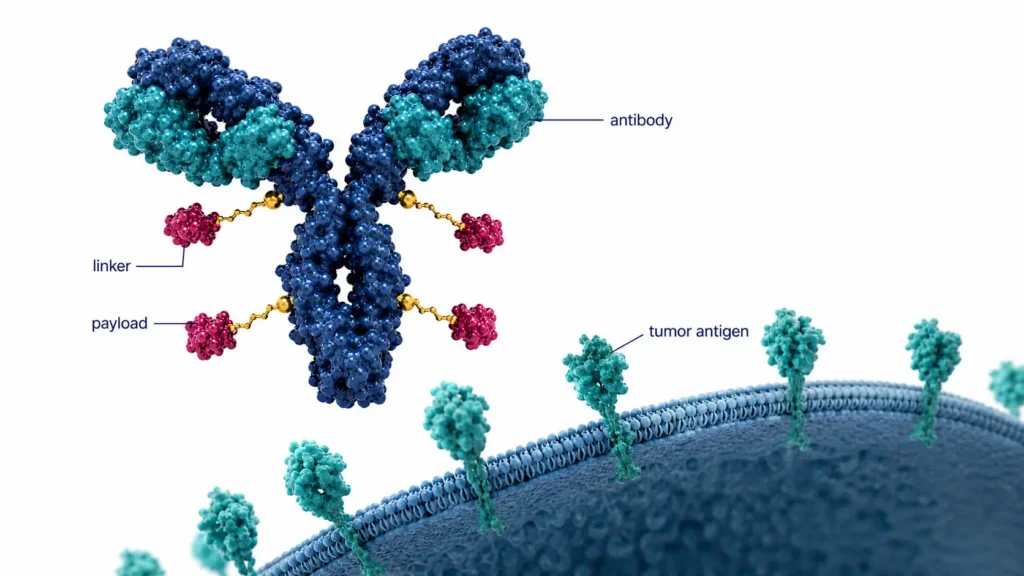
Figure 1. An ADC is an integrated therapeutic system
Visual note: Figures are conceptual scientific illustrations for educational purposes. They are not to scale and do not depict a specific product, molecule, target or clinical result.
What is an Antibody-Drug Conjugate and How Does It Work?
An antibody-drug conjugate combines three engineered components: a monoclonal antibody that binds a tumor-associated antigen, a chemical linker, and an active payload. Payloads commonly include microtubule inhibitors, topoisomerase I inhibitors, or DNA-damaging agents.
After binding its target, an ADC may be internalized and trafficked through endosomal and lysosomal compartments. Linker processing and antibody catabolism can then release the active payload, leading to tumor-cell death. Some released payloads or metabolites can enter neighboring tumor cells, producing bystander activity. That effect is conditional, however. It depends on linker chemistry and payload or metabolite membrane permeability and is not a feature of every ADC.
ADCs are designed to increase tumor-directed exposure while reducing, not eliminating, systemic and normal-tissue exposure. That distinction matters clinically since target expression in healthy tissue, target-independent uptake, and premature payload release can all narrow the therapeutic window.
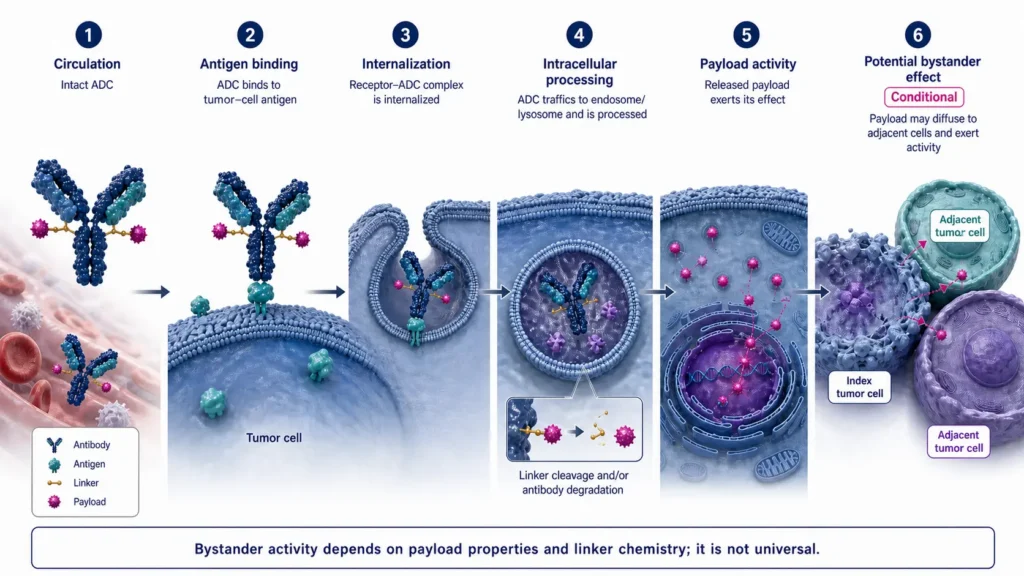
Figure 2. ADC activity depends on target binding, internalization, intracellular processing and payload properties; bystander activity is conditional.
Why is Antibody-Drug Conjugate Development Unusually Complex?
Each ADC component interacts with tumor biology and with the other components.
- Antigen density, distribution, and normal-tissue expression affect the therapeutic window.
- Internalization, receptor recycling, and antigen shedding influence how much payload reaches the target cell.
- Linker stability shapes systemic exposure to free payload.
- Payload mechanism, potency, and membrane permeability affect both efficacy and toxicity.
The drug-to-antibody ratio (DAR) is equally consequential. Higher loading can increase payload delivery, but may also increase hydrophobicity, aggregation, clearance, or toxicity. Tumor heterogeneity adds another layer: a molecule that performs well in a uniformly high-expressing model may behave differently in patients with variable expression.
The most potent payload, highest DAR, or most widely expressed antigen is not automatically the best clinical design. Successful ADC clinical development optimizes these variables jointly rather than maximizing one of them.
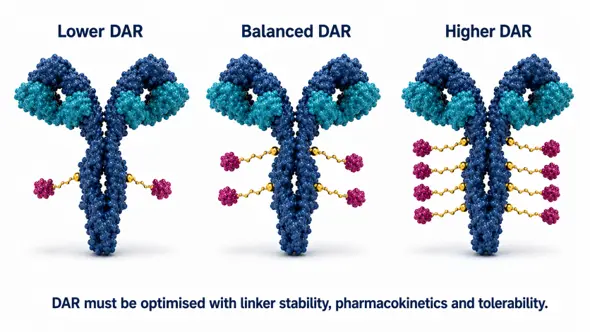
Figure 3. Drug-to-antibody ratio is a design trade-off; payload loading must be aligned with exposure and tolerability.
What Should ADC Development Teams Evaluate Before Entering the Clinic?
Target biology
Development teams should map expression in tumor and vulnerable normal tissue, and assess density, internalization, receptor recycling, antigen shedding, and intratumoral heterogeneity. Expression should also be considered across disease stages and after relevant prior treatment. A target that changes substantially after standard therapy may undermine a later-line development strategy.
Antibody, linker, and payload design
Antibody affinity and selectivity should fit the expected antigen density. Cleavable and non-cleavable linkers create different release and exposure profiles; neither is universally preferable. Payload choice should account for potency, mechanism, permeability, hydrophobicity, potential bystander activity, and plausible resistance mechanisms. These decisions should be evaluated alongside DAR, not sequentially.
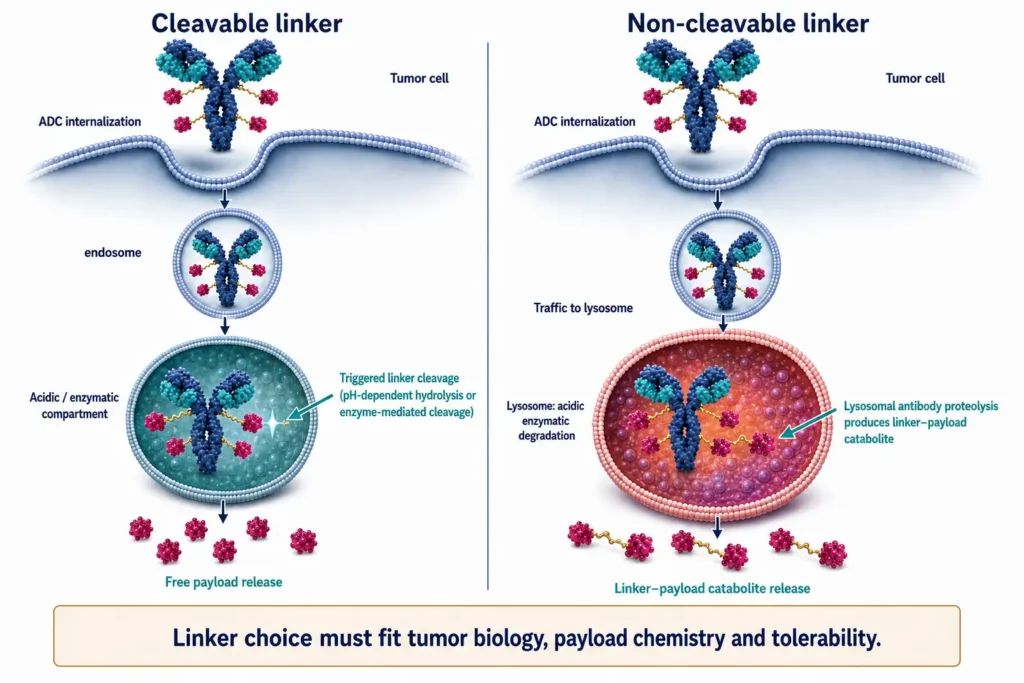
Figure 4. Cleavable and non-cleavable linkers create different release pathways and exposure profiles.
Biomarker and assay strategy
For many ADC programs, immunohistochemistry or another protein-based assay is the practical foundation for patient selection. Clinical development teams should define analytical validation, scoring, and cut-offs early; address archival versus fresh tissue; and account for central versus local testing and intratumoral heterogeneity. Next-generation sequencing is not the default selection method for every ADC program. Companion diagnostic planning belongs in the development plan from the outset, not after an efficacy signal appears.
What Recent Phase III ADC Results Teach Clinical Development Teams
On 27 July 2026, AstraZeneca reported positive topline results from the global Phase III CLARITY-Gastric01 study of sonesitatug vedotin, also known as AZD0901 or CMG901 (AstraZeneca: CLARITY-Gastric01 topline announcement, 27 July 2026). The CLDN18.2-targeting ADC was compared with investigator’s-choice therapy in previously treated advanced or metastatic CLDN18.2-expressing gastric, gastroesophageal junction, or esophageal adenocarcinoma. The company reported a statistically significant and clinically meaningful overall survival improvement in the third-line-or-later population, and an overall survival benefit in the broader second-line-or-later population. While a trend toward improved progression-free survival was observed in patients treated in the second-line-or-later setting, it did not reach statistical significance.
This was reported as the first global Phase III study to show an overall survival benefit for a CLDN18.2-targeted ADC in this setting. It remains a company-reported topline result until complete data are presented and independently evaluated. This time-sensitive example should be re-reviewed when complete congress or peer-reviewed data become available. The development lesson is broader than the headline: success depends not only on constructing an active molecule, but also on selecting a reproducible biomarker-defined population, an appropriate treatment setting and comparator, a credible dose, and a confirmatory trial strategy that can establish meaningful benefit.
TROPION-Lung01 (Ahn et al.: TROPION-Lung01, Journal of Clinical Oncology, 2025) offers a useful cautionary comparison. In previously treated advanced non-small cell lung cancer, datopotamab deruxtecan met the progression-free survival component of its dual primary endpoint design but did not meet overall survival in the overall population. Conversely, ASCENT-03 showed that sacituzumab govitecan could improve its primary progression-free survival endpoint in first-line metastatic triple-negative breast cancer (Cortés et al.: ASCENT-03, New England Journal of Medicine, 2025). These studies should not be compared across trials; together, they illustrate why endpoint hierarchy, population, comparator, and full safety data matter as much as a positive readout.
Designing First-in-Human ADC Studies
First-in-human ADC trials should be designed around dose, schedule, and exposure-response, not just cycle-one tolerability. Starting dose rationale should reflect relevant nonclinical species, payload risk, and uncertainty in translation. Dose escalation may include sentinel dosing where appropriate, while dose and schedule exploration should continue beyond the traditional dose-limiting toxicity window when delayed or cumulative toxicity is plausible.
Clinical pharmacology must distinguish total antibody, conjugated ADC, unconjugated or free payload, and active metabolites where relevant. Pharmacokinetic sampling, immunogenicity, pharmacodynamic evidence, and exposure-response analysis should inform expansion cohort selection. Dose interruptions, reductions, and actual dose intensity are not merely operational details; they help determine whether a proposed regimen is sustainable.
FDA’s ADC clinical pharmacology guidance and Project Optimus principles reinforce a practical objective: the goal is not merely to identify the highest dose tolerated during the first treatment cycle, but to identify a dose and schedule that support durable efficacy and acceptable long-term tolerability (FDA: Clinical Pharmacology Considerations for Antibody-Drug Conjugates). Intrapatient escalation can be useful where scientifically justified, but no single dose optimization design fits every ADC.
ADC Safety Risks That Require Early Planning
ADC toxicities vary with the target, normal-tissue expression, antibody, linker, payload, dose, schedule, prior therapy, and combination regimen. Potential patterns include cytopenias, gastrointestinal toxicity, peripheral neuropathy, interstitial lung disease or pneumonitis, ocular toxicity, hepatotoxicity, and infusion-related reactions. These are not universal class effects.
Teams should distinguish on-target, off-tumor toxicity from systemic payload exposure, target-independent uptake, linker- or payload-related effects, and cumulative toxicity. That distinction informs monitoring and management. Protocols need clear dose modification algorithms, investigator training, rapid medical review, specialist referral pathways where indicated, and aggregate safety surveillance that detects patterns across sites and cohorts.
Why CMC and Clinical Development Must Remain Integrated in ADC Development
For an ADC, manufacturing is part of the clinical hypothesis. Changes in DAR distribution, residual free payload, unconjugated antibody, aggregation, or product-related impurities can affect pharmacokinetics, safety, efficacy, and the interpretability of clinical data. Analytical methods, scale-up, stability, manufacturing site changes, and clinical supply continuity therefore need to be managed alongside, not after clinical strategy.
Comparability planning should begin before changes become unavoidable. Existing monoclonal antibody and ICH quality principles are relevant, but an ADC’s multicomponent nature requires product-specific control of critical quality attributes and careful coordination between CMC and regulatory activities.
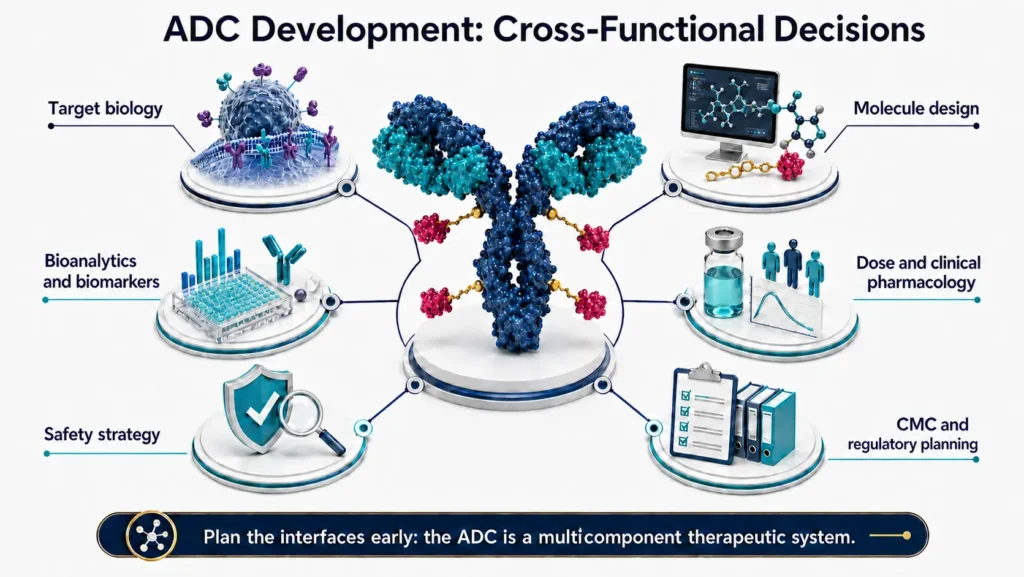
Figure 5. ADC development requires coordinated decisions across target biology, molecule design, bioanalytics, clinical pharmacology, safety, CMC, and regulatory planning.
How a Specialized CRO Can Reduce ADC Development Risk
An experienced ADC development partner can connect nonclinical-to-clinical translation, protocol design, medical monitoring, clinical pharmacology, biomarker operations, central-laboratory planning, regulatory strategy, and CMC coordination. The practical value is integrated decision-making: linking assay feasibility to enrollment, exposure data to dose decisions, and manufacturing changes to clinical comparability. Early cross-functional planning can reduce avoidable protocol amendments, operational delays, and costly late-stage surprises.
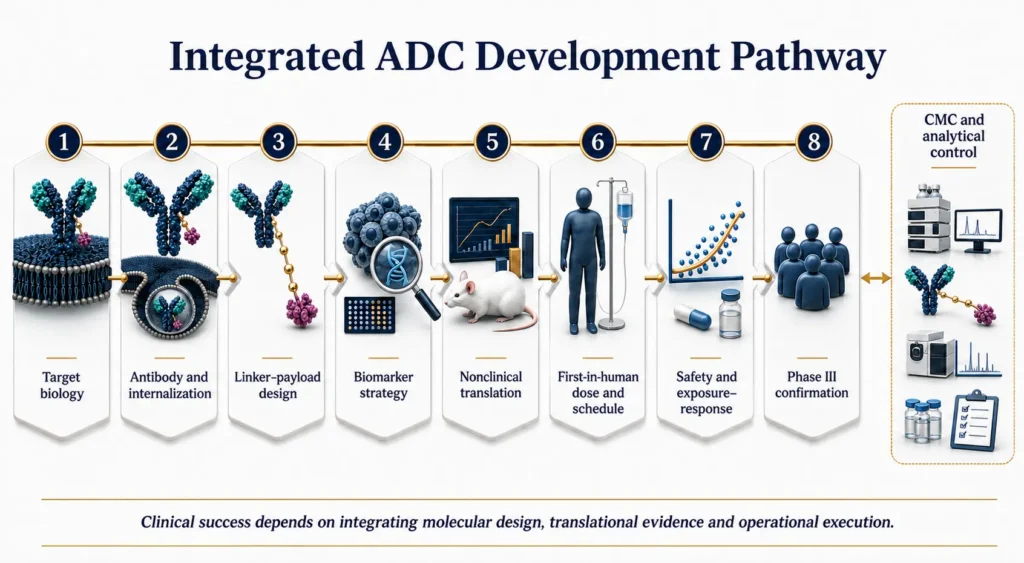
Figure 6. ADC development integrates molecular design, translational evidence, and operational execution from target biology through Phase III confirmation.
Key ADC Development Questions Teams Should Answer Early
- Is the target sufficiently expressed in tumor tissue and acceptably limited in vulnerable normal tissue?
- Does the ADC show suitable internalization, trafficking, and payload release?
- Is the linker-payload design aligned with tumor heterogeneity and anticipated toxicity?
- Can the intended patient population be identified through a reproducible assay?
- Does the dose and schedule have a credible exposure-response and long-term tolerability rationale?
- Are CMC, bioanalytical, clinical, and regulatory plans aligned before first-in-human development?
For more insights on ADC development, explore our webinar, Advancing Precision Oncology: Radionuclide Conjugate and Antibody-Drug Conjugate (ADC) Development Strategies, and podcast, Advancing Oncology Research: Regulatory & Development Path for ADCs & RDCs.
FAQs
Request a Proposal
Share This