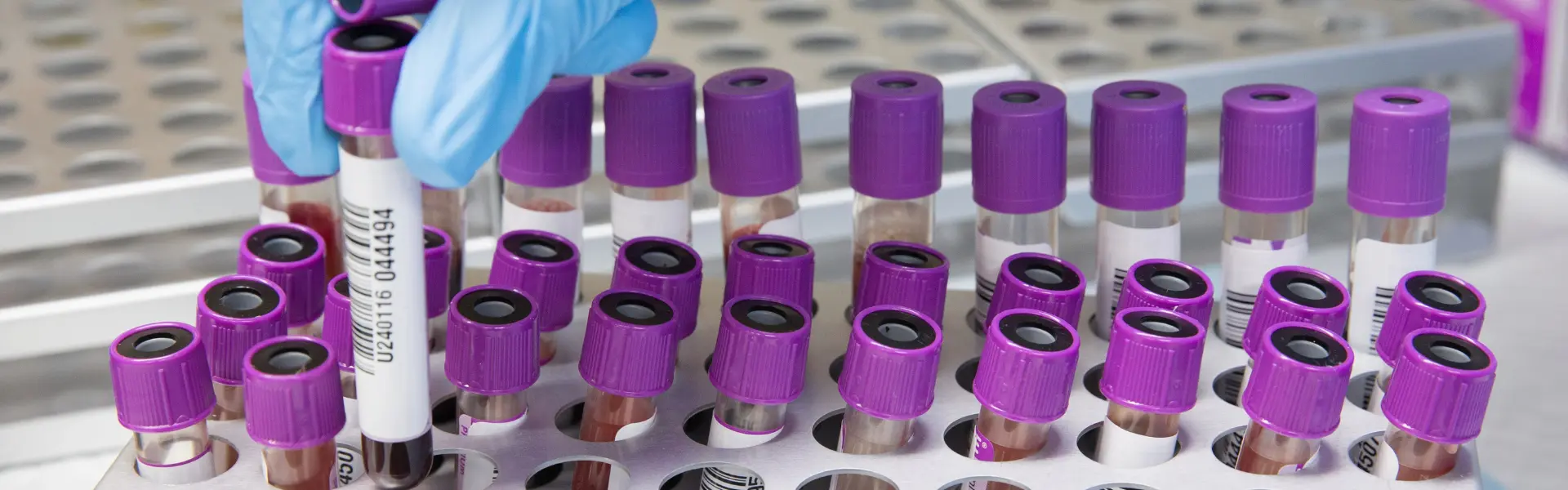
Liquid biopsy technologies, particularly circulating tumor DNA, or ctDNA, are changing how clinicians monitor hematologic malignancies. In this Fierce Biotech interview, Stephanie Butler speaks with Oksana Fabri, MD, PhD, Executive Medical Director at Allucent, about the role of ctDNA in disease monitoring and clinical trials. Dr. Fabri explains how ctDNA provides a dynamic, systemwide view of disease burden that complements bone marrow biopsies and imaging while reducing the need for invasive procedures. Serial ctDNA measurements can detect molecular relapse months before clinical progression and are associated with progression-free and overall survival.
The discussion also highlights the close connection between ctDNA and minimal residual disease (MRD), sometimes referred to as measurable residual disease. Traditional MRD methods measure residual malignant cells directly, often through bone marrow sampling. ctDNA offers a less invasive, complementary approach by detecting tumor-derived DNA in plasma, allowing clinicians to capture disease heterogeneity and track clonal evolution over time.
From a clinical development perspective, ctDNA is increasingly used to refine endpoints and response assessment in hematologic cancer trials. Dr. Fabri discusses its growing role in biomarker-driven study designs, adaptive trials, and the evaluation of durable MRD-negative responses, including in therapies such as CAR T-cell treatments and bispecific antibodies.
FAQs
Request a Proposal
Share This