

Thrombolysis and thrombectomy have transformed acute ischemic stroke care, yet the need for therapies that improve recovery and reduce disability remains. For small and mid-size biotech companies developing new treatments, a critical challenge is translating a compelling mechanism of action into a trial that can demonstrate meaningful clinical benefit.
This webinar will explore how therapeutic rationale, patient selection, treatment timing, and operational execution come together to shape successful stroke clinical development. Cytoprotective therapies offer a potential approach to complement reperfusion, but advancing these candidates requires reproducible evidence across independent laboratories, activity against relevant components of the ischemic cascade, and administration within a biologically appropriate window. These considerations provide the foundation for decisions about whom to enroll, when to treat, and how to measure benefit.
Building on this foundation, speakers will examine how time from onset, stroke severity, and advanced imaging can inform patient selection and treatment timing relative to reperfusion. The discussion will address the balance between identifying patients most likely to benefit and maintaining enrollment feasibility and generalizability. It will also consider how to align endpoints with the expected biological effect and regulatory expectations, including the role of the modified Rankin Scale at 90 days.
Translating these design choices into a deliverable study requires flexibility and practical planning. Adaptive and platform designs may support sample-size re-estimation, arm dropping, or subgroup enrichment, while preserving trial integrity. Their value depends on execution within the urgency of acute stroke care, supported by appropriate consent procedures, prepared sites, robust staff training, workflow integration, and realistic recruitment targets.
By connecting these scientific and operational considerations, this webinar will offer attendees a clearer framework for moving from therapeutic promise to interpretable clinical evidence. The focus will be on designing feasible, scientifically rigorous trials that can demonstrate meaningful improvements in recovery and reduce the lasting burden of stroke.
What You Will Learn
In this webinar, speakers will explore:
- The scientific rationale for cytoprotective therapies that complement thrombolysis and thrombectomy.
- The role of stroke severity, treatment windows, and advanced imaging in patient selection and treatment timing.
- Aligning endpoints with therapeutic mechanisms and the potential of adaptive and platform trial designs.
- Practical considerations for consent, site readiness, and recruitment within time-critical stroke care workflows.
Who should Attend?
This webinar will appeal to:
- Biopharma & biotech professionals
- Neuroscience Research and Drug Development (R&D)
- Chief Medical Officers (CMOs) and CEOs of small & medium-sized biopharma
- Clinical Development & Clinical Operations Teams
- Medical Affairs/Medical Writing/Pharmacovigilance
- Biostatistics and Data Science
- Regulatory Affairs/Strategy
- Outsourcing and procurement
Speaker
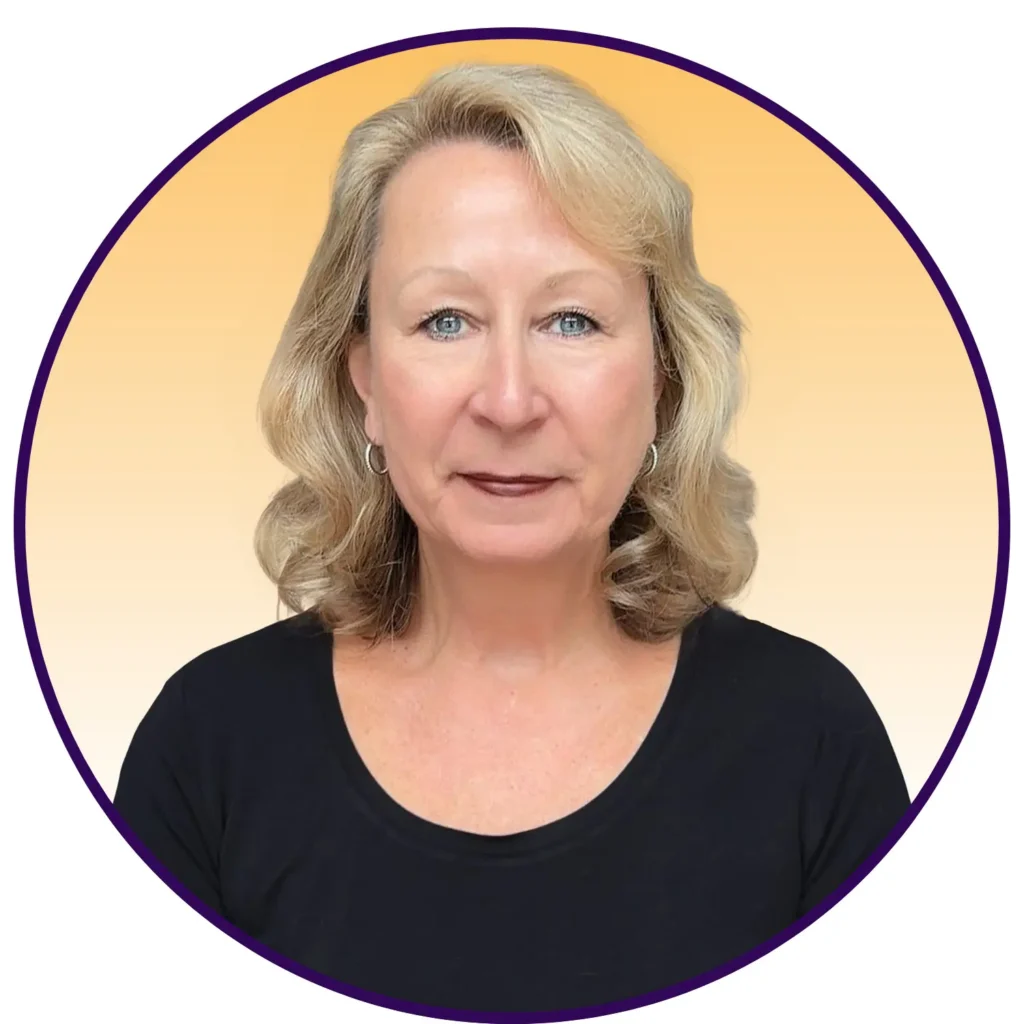
Roberta Anderson, PhD, ACE Therapeutic Strategy Head, Neuroscience
Dr. Anderson brings 30 years of clinical drug development experience with deep expertise in neuroscience. She has held senior leadership roles in both the CRO and biotechnology sectors, including 16 years at a global CRO and 13 years leading peptide-based therapeutic programs from Phase I through Phase IV.
Throughout her career, Dr. Anderson has partnered with sponsors to design protocols and execute clinical development strategies across a range of neurological indications including stroke, Alzheimer’s disease, sleep disorders, Tourette disorder and various rare diseases (adult and pediatric). She has extensive regulatory experience and has guided programs through complex regulatory pathways, including FDA IND and Health Canada clinical trial application submissions across multiple indications and phases of development. She also has obtained fast-track and orphan drug designations and has Special Protocol Assessment experience.

Thomas Devlin, MD, PhD, Professor of Neurology, Morehouse School of Medicine, Director, CommonSpirit Memorial Neuroscience Institute
Dr. Thomas Devlin brings 30 years of experience as a vascular neurologist and is world-renowned for his research in acute ischemic stroke. He is Director of the Memorial Neuroscience Institute, part of the CommonSpirit Health Care system, and previously served as national medical director of its Neuroscience Collaborative, which coordinated neurologic and neurosurgical services across more than 140 hospitals. He chaired the Department of Neurology at the University of Tennessee Health Science Center, Chattanooga, for more than 10 years.
He is the owner and director of the Chattanooga Center for Neurologic Research (CCNR), a private research company, and is the medical director of the NeuroScience Innovation Foundation. As the director of CCNR, Dr. Devlin has published numerous articles on acute stroke treatment and with Dr. Blaise Baxter, he authored the first single-center confirmation of the clinical benefit of advanced stroke thrombectomy procedures using the MERCI device. His center was the highest enrolling center and the center demonstrating the very best patient outcomes worldwide in the landmark SWIFT-PRIME study that proved the benefit of endovascular therapy for stroke over IV tPA.
Dr. Devlin received his PhD in Neuroscience from the University of Connecticut Health Center and his MD from Baylor College of Medicine. He completed his neurology residency at Duke University and a neurocritical care fellowship at the University of Virginia.
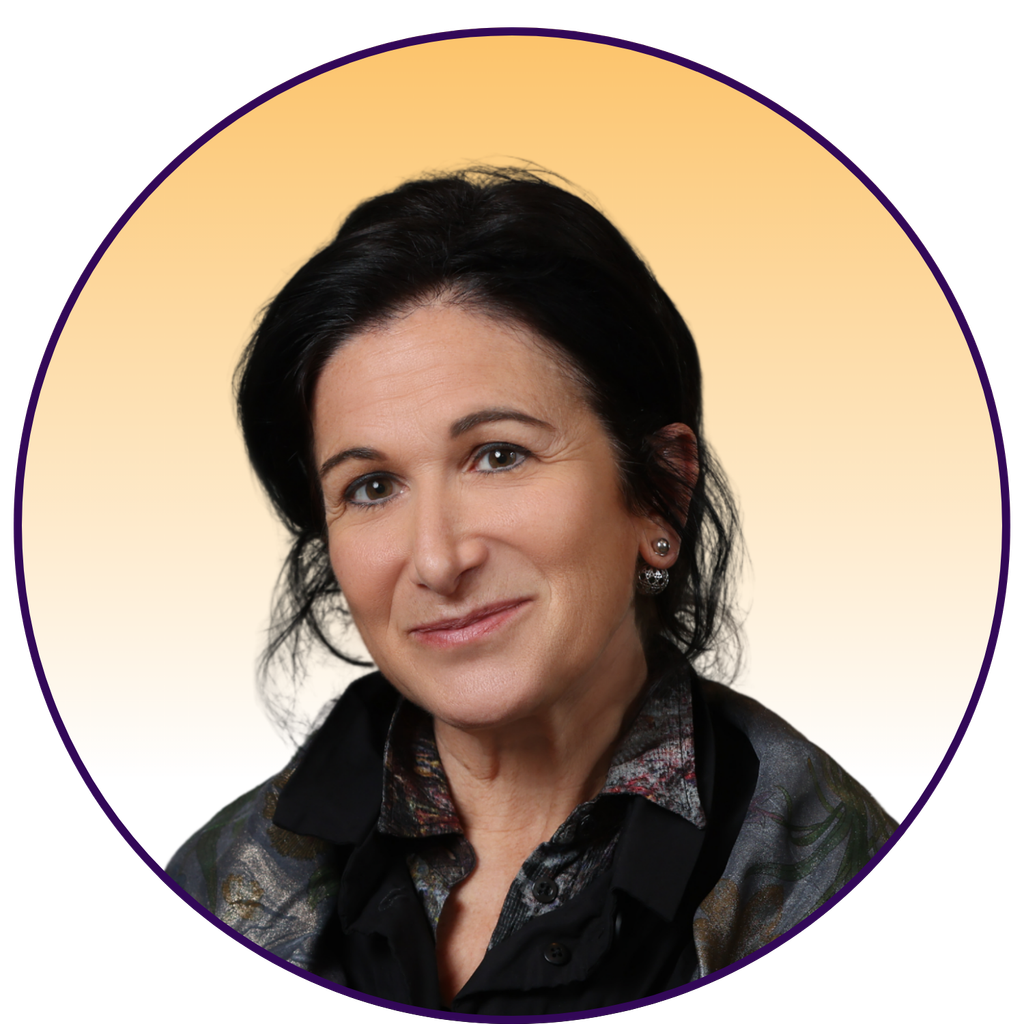
Julie Krop, MD, Chief Medical Officer, DiaMedica Therapuetics
Dr. Krop has more than 20 years of experience as a strategic physician executive with leadership experience spanning multiple therapeutic and orphan indications in both pre-commercial and commercial organizations. Before DiaMedica, Dr. Krop was CMO and Head of Development at PureTech Health, where she led multiple rare disease programs from preclinical development through Phase 2 trials. Prior to this, she served as CMO at Freeline Therapeutics, where she helped drive a successful IPO and oversaw three clinical stage gene therapy programs. Before that, Dr. Krop was CMO and Executive Vice President at AMAG Pharmaceuticals, where she was involved in the approval of three drugs and worked on the development of an orphan drug candidate for the treatment of severe preeclampsia. Previously, Dr. Krop has held senior development roles at Vertex Pharmaceuticals, Stryker Regenerative Medicine, Peptimmune, Millennium Pharmaceuticals, and Pfizer.
Dr. Krop received her MD from Brown University School of Medicine and completed her internal medicine residency at Georgetown University Hospital. She also completed fellowships in epidemiology, clinical trial design and endocrinology at Johns Hopkins School of Medicine. Dr. Krop is board-certified in Endocrinology.
Share This
