Early Development Decisions That De-Risk Programs and Drive Success
Engineered immune therapies represent the next generation of immunotherapies, enabling more precise targeting and novel mechanisms designed to overcome the biological barriers that have limited success in solid tumors. These approaches have already transformed outcomes in hematologic malignancies, yet translating that success to solid tumors has proven far more complex. Scientific innovation alone is not enough. Early development decisions around trial design, safety strategy, and regulatory engagement often determine whether promising programs advance or stall.
In this on-demand webinar, leaders developing these next-generation immunotherapies for solid tumors share practical insights drawn from real-world experience. The discussion will focus on how biopharma teams are designing deliberately scoped early phase trials to inform confident development decisions, managing safety without slowing momentum, planning for combination strategies, and aligning with regulators to reduce risk and accelerate development timelines.
Speakers:
- Brian Abbott, MD, Executive Director of Medial Affairs, Allucent
- Reagan Jarvis, Chief Executive Officer & Co-Founder, Anocca
- Douglas V Faller, MD, Chief Medical Officer, IMUNON
- Lawrence Lamb, Executive Vice President & Chief Scientific Officer, IN8bio, Inc.
Moderator:
- Nandini Kashyap, MPharm, Conference Director, Fierce Life Sciences
Who Should Watch
Biopharma leaders in early clinical development, translational medicine, regulatory strategy, and portfolio planning working on engineered or cell-based immunotherapies for solid tumors.
What You’ll Take Away
- Strategies for designing early phase trials that generate the evidence needed to support informed development decisions and advance promising therapies.
- Practical approaches to managing safety proactively without slowing development momentum
- Insights into when and how to plan for combination strategies in solid tumor programs
- Lessons on early regulatory engagement that reduces downstream risk and surprises
- Real-world examples of development decisions that have accelerated or challenged engineered immunotherapy programs
About the Speakers
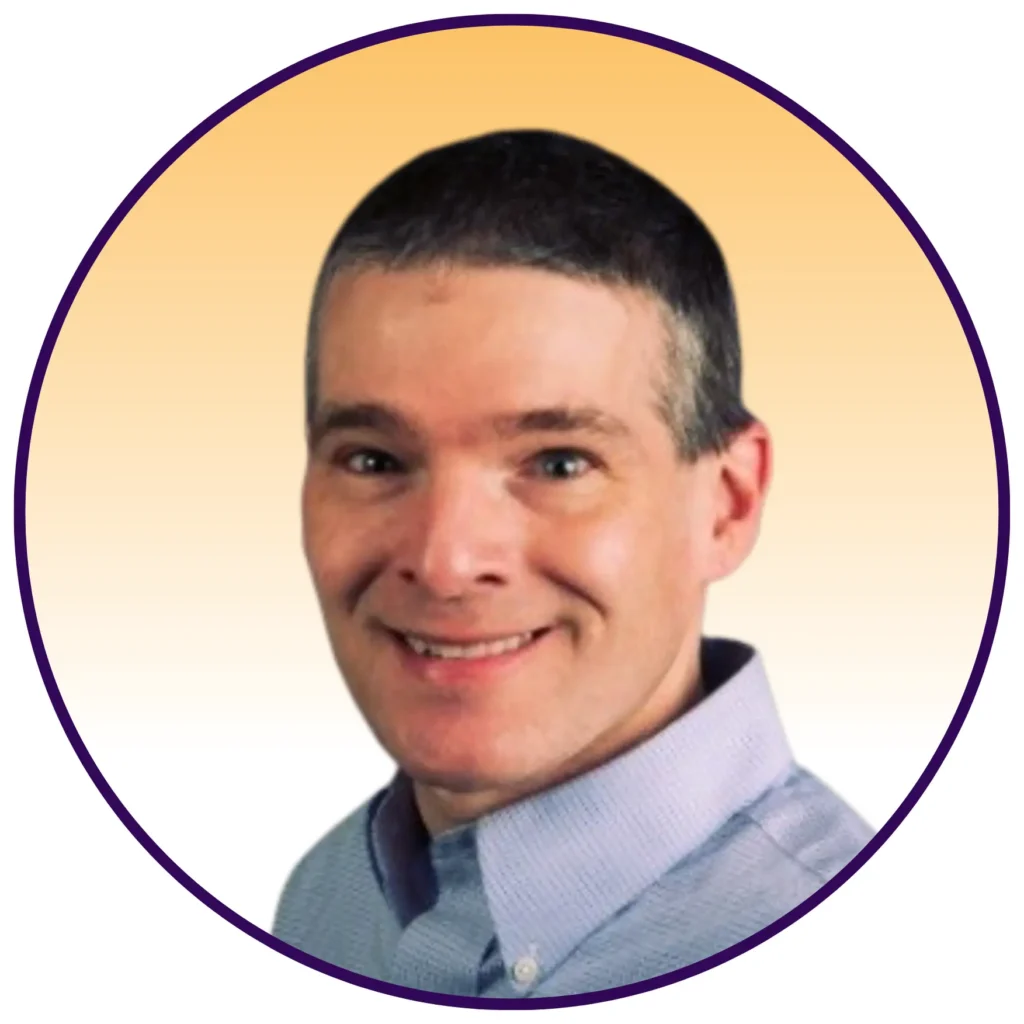
Brian Abbott, MD, Executive Director of Medial Affairs, Allucent
Dr. Brian Abbott is a medical professional with over 25 years of experience in hematology oncology, including thirteen years in the biomedical research industry. As the Executive Medical Director and Therapeutic Area Medical Lead for Oncology at Allucent, Dr. Abbott oversees clinical trial strategies and medical monitoring for hematology/oncology trials and leads the global oncology medical team at Allucent. His career includes senior medical leadership roles at Myriad Genetics, Caris Life Sciences, and Color Genomics.
Prior to his industry roles, he spent a decade in clinical practice as faculty at three NCCN member institutions, focusing on leukemia, lymphoma, and bone marrow transplantation (BMT), while serving as a principal investigator in numerous oncology studies. Dr. Abbott’s expertise spans CAR T studies in prostate and hepatocellular cancers, TKIs across various indications, bi-specific antibodies, cytotoxic chemotherapy, and vaccine/cellular therapies. He has significant experience with companion diagnostics registration and phase 1 clinical trials.
Dr. Abbott earned his M.D. from the University of Tennessee, an MBA from the University of Colorado, and a master’s degree in finance from the University of Wisconsin. He is board-certified in Hematology/ Oncology, Pediatrics, and Hospice/Palliative Medicine.
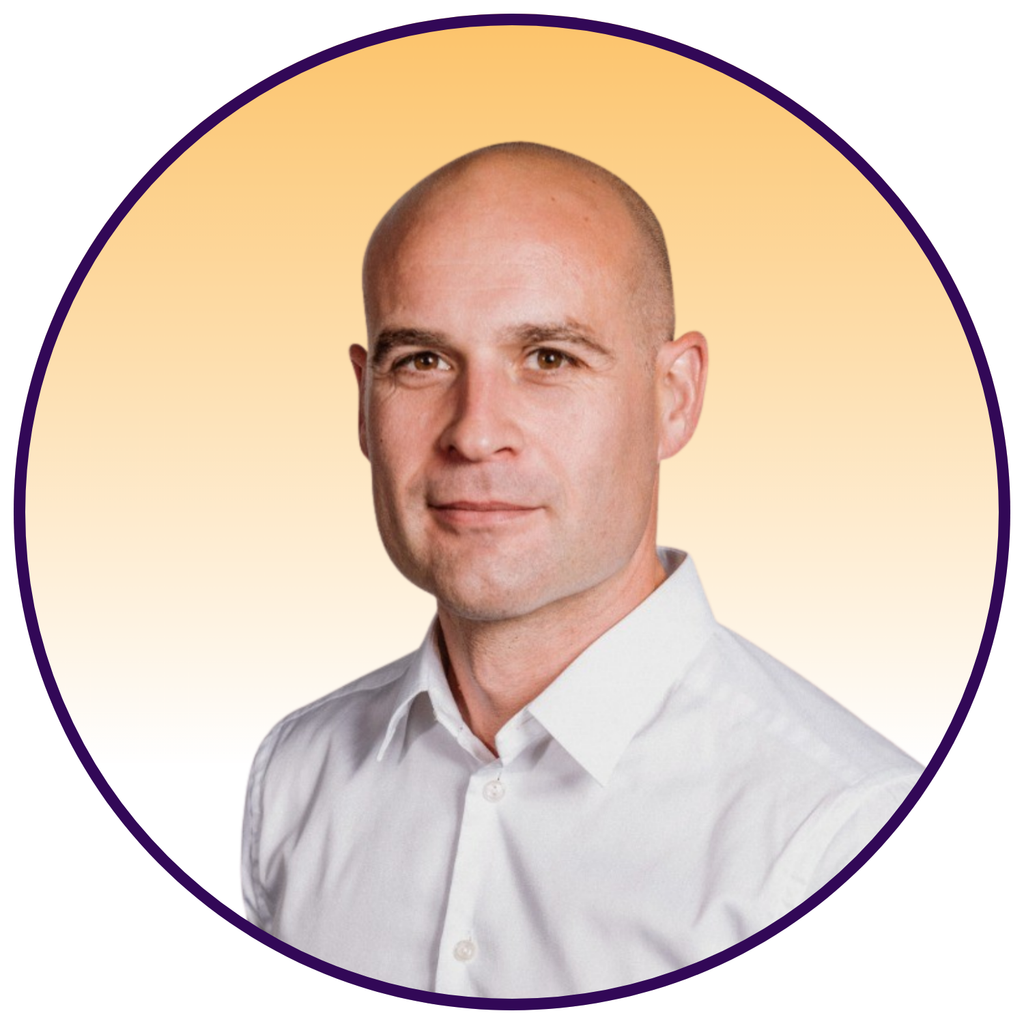
Reagan Jarvis, Chief Executive Officer & Co-Founder, Anocca
Reagan Jarvis is the co-founder and CEO of Anocca, a T-cell immunotherapy company based out of Sweden, commencing FIH clinical trials in 2025 with TCR-T cell therapy products in oncology.
A New Zealander, Jarvis obtained his PhD in Biochemistry at University of Otago and performed postdoctoral research at the University of Otago and thereafter the German Cancer Research Center (DKFZ) in Heidelberg. He founded Anocca with Mikael Blomqvist in 2014.
Anocca currently has a pipeline of 40 products. It has 120+ staff, with 36 nationalities and operates the largest cGMP cell therapy manufacturing site in the Nordics.

Douglas V Faller, MD, Chief Medical Officer, IMUNON
Dr. Faller is an internationally recognized oncologist/hematologist and scientist. He has nearly 30 years of pharmaceutical and biotech industry experience with a particular focus on clinical R&D, discovery, regulatory affairs, and strategy development. He has worked with small molecules, gene therapies, biologics and cell therapies to address a range of malignant and non-malignant diseases and disorders, including rare and genetic diseases, and neurological and neuropsychiatric disorders. He has extensive experience in early-stage development as well as global late-stage development and world-wide marketing approvals. He has taken molecules (including those discovered in his own academic laboratories) from first-in-human studies in the clinic, through registrational trials, international regulatory approvals, and commercial launch.
Dr. Faller was previously CMO of Skyhawk Therapeutics as well as Oryzon Genomics. Before that, he was Executive Medical Director at Takeda. He was the scientific founder and CMO/CSO of Viracta Therapeutics, and the scientific founder/co-founder of four biopharma companies. Before joining the biopharma industry, Dr. Faller was a professor at Harvard Medical School, and an attending physician at Brigham and Women’s Hospital, Boston Children’s Hospital and Dana-Farber Cancer Institute. He founded and directed the Comprehensive Cancer Center at Boston University, where he also served as the first Grunebaum Professor for Cancer Research, Vice-Chairman of the Department of Medicine, and Professor of Medicine, Biochemistry, Pediatrics, Microbiology, Pathology and Laboratory Medicine. Dr. Faller received a B.S. in biochemistry from MIT, an MD from Harvard Medical School, and a PhD from MIT in cancer molecular biology. He has authored more than 300 abstracts, 230 presentations and 375 manuscripts that have been published in peer-reviewed journals. He is certified in Internal Medicine, Hematology and Oncology, and is a Fellow of the American College of Physicians.
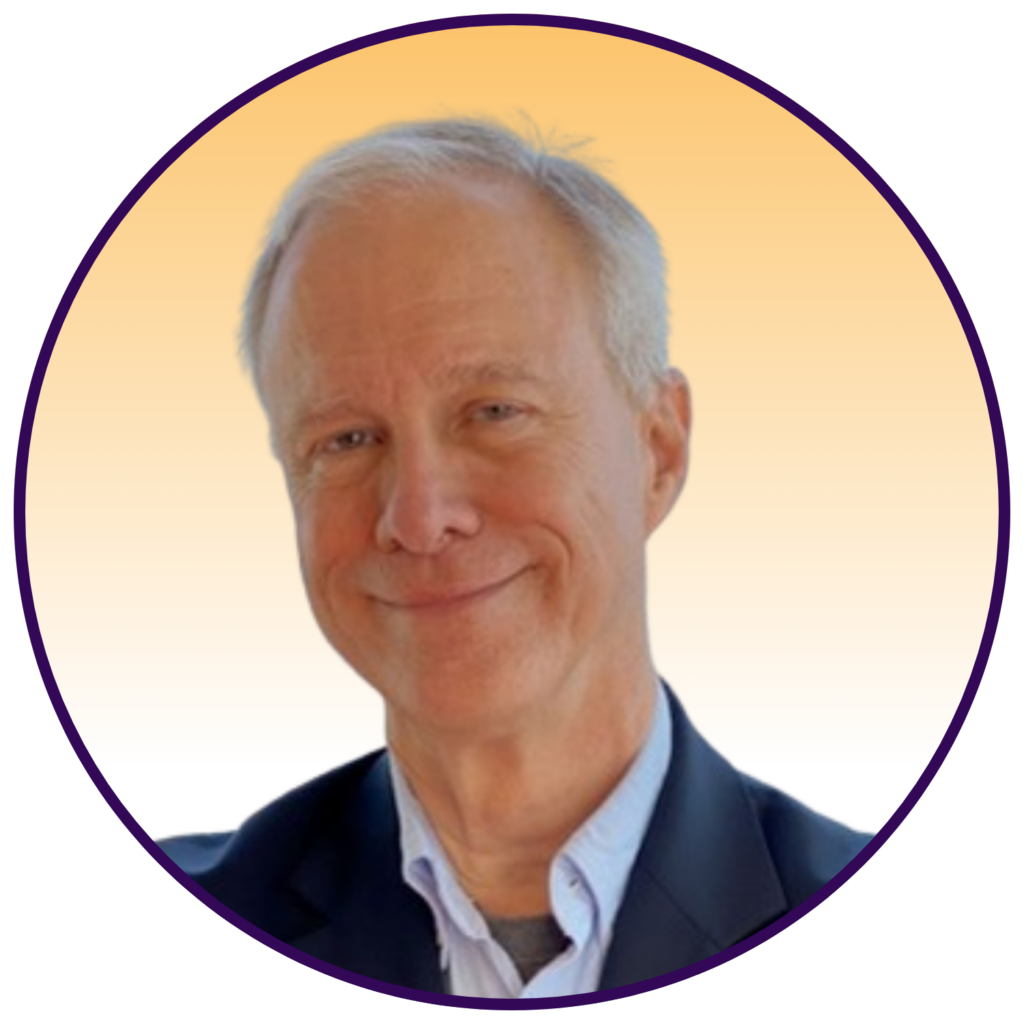
Lawrence Lamb, Executive Vice President & Chief Scientific Officer, IN8bio, Inc.
Dr. Lawrence Lamb leads scientific and translational strategy as scientific co-founder, Executive Vice President, and Chief Scientific Officer of IN8Bio. While originally extending his NP clinical training in cardiovascular disease as a PhD student, he switched gears and studied immunology, finishing his PhD with a concentration in inflammatory lung disease and macrophage biology followed by postdoctoral training in molecular evolution and genetic engineering of mouse embryonic stem cells to define gene function. During a second postdoc in transplantation immunology at the South Carolina Cancer Center he was the first to describe the association between relapse-free survival and homeostatic γδT cell recovery in high-risk leukemia patients. While continuing this work as an
Associate Professor and later Professor of Medicine at the University of Alabama at Birmingham, Lamb developed the scientific support for chemotherapy resistant γδT cell-based immunotherapy for high- grade brain tumors. This work eventually culminated in successful IND applications that lead to the formation of IN8Bio. Over the course of his career, Lamb’s work has been funded by adiverse array of government and the NCI, NHLBI, NCRR, NINDS, the Children’s Oncology Group, the Elsa Pardee Foundation, the Leukemia and Lymphoma Society, and the National Brain Tumor Foundation including the Samuel Gerson Leadership Chair for Glioblastoma Research.
About the Moderator

Nandini Kashyap, MPharm, Conference Director, Fierce Life Sciences
Nandini Kashyap is Conference Director for Fierce Pharma/Biotech and founder of CenterStage Media, an events and marketing venture that helps life sciences companies and investors turn event investments into measurable impact. A seasoned strategist and business connector, she has led 100+ global conference and B2B Events across pharma and biotech specializing in strategic partnerships and executive engagement, operations, thought leadership and digital influence, and high-impact stakeholder networking. Previously, she served as Senior Director of Conferences & Social Media Strategy at Cambridge Innovation Institute and Director of Novel Drug Delivery at Biodel Inc.
Beyond conferences, Nandini is also a recognized life science ambassador, collaborating on branding campaigns with 50+ brands including Novartis, Takeda, Philips, Dana-Farber, Werfen, and Salesforce.
Ms Kashyap holds a Master’s in Pharmaceutics from NIPER (India), a Bachelor’s in Pharmacy from New Delhi, and postgraduate certifications from Cornell (Marketing & Social Media Strategy) and MIT (Controlled Release Technologies).
FAQs
Request a Proposal
Share This